





Every successful software product begins with an idea—but turning that idea into something reliable takes more than coding. A structured software development process connects discovery, planning, design, development, testing, and launch, helping businesses control risk and keep the product aligned with real user needs. This guide follows that journey step by step, showing what happens, why each stage matters, and how the right team turns a promising concept into software ready for the real world.
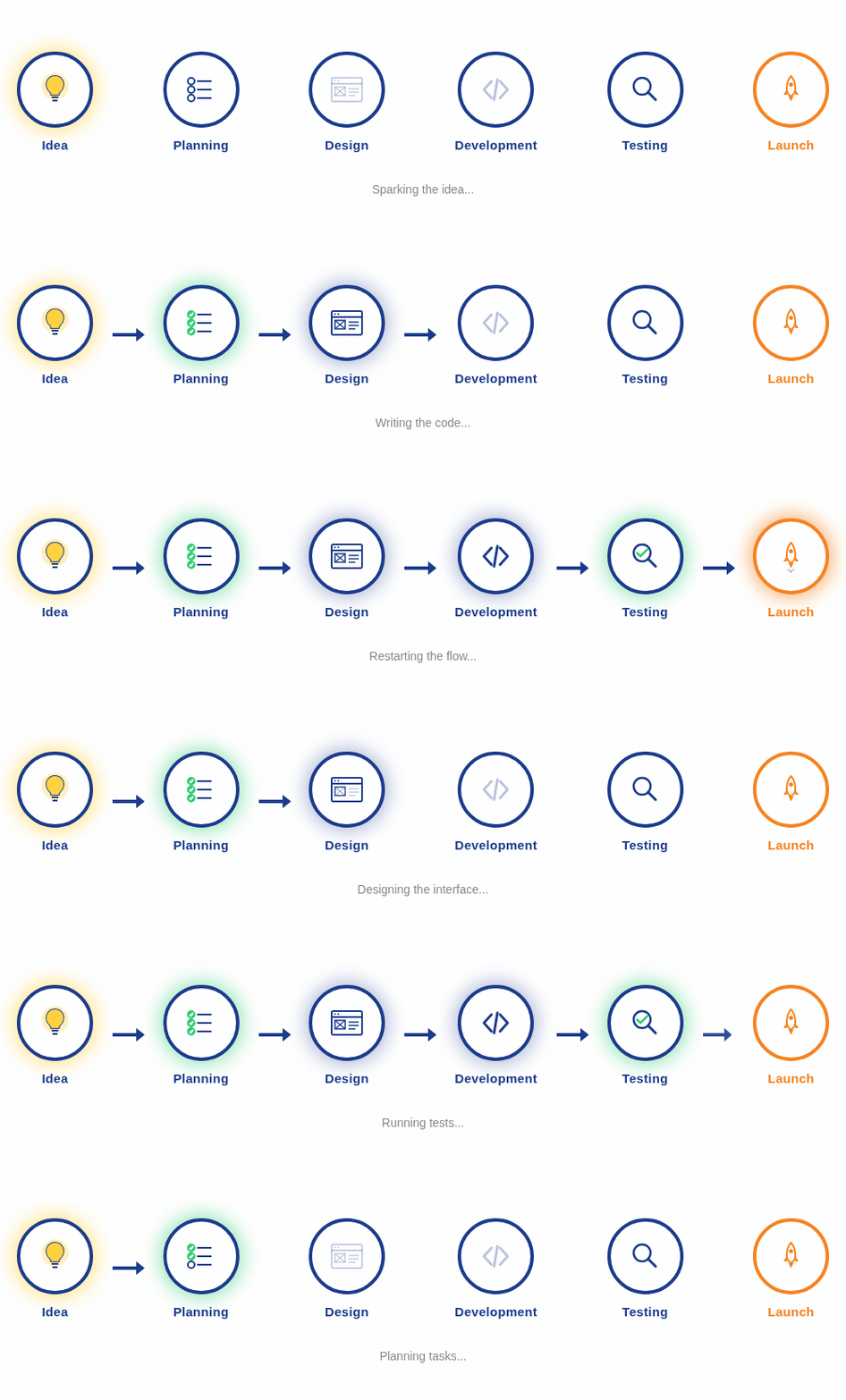
Table 1: Software Development Process Overview
| Stage | Purpose | Main Activities | Outcome |
|---|---|---|---|
Discovery | Turn a business idea into a validated, documented vision | Stakeholder interviews, requirement gathering, problem definition | Clear scope and success criteria |
Planning | Build a realistic roadmap | Timeline, tech stack selection, team structure, budget, milestones | Agreed roadmap and delivery plan |
Design | Create the user experience and technical foundation | UI/UX design, user journey mapping, software architecture, database planning | Approved designs and technical blueprint |
Development | Turn designs into working software | Frontend and backend development, APIs, integrations, agile sprints | Working, demonstrable software increments |
Testing | Make the software reliable | Functional, performance, security, and user acceptance testing | A stable, verified product ready to ship |
Deployment | Bring the software to real users | Production setup, cloud deployment, data migration, security checks | Software live in production |
Maintenance | Keep the product improving after launch | Bug fixes, security updates, performance tuning, new features | A product that keeps earning user trust |
1. Discovery: Turning an Idea Into a Clear Vision
Every successful software development process begins with discovery. Before design or development starts, the team needs to understand what the software should achieve, who will use it, and which business problems it needs to solve.
During this stage, stakeholders and the development team discuss business goals, target users, core features, technical requirements, budget, timeline, and potential limitations. Existing systems, competitors, workflows, and integration requirements may also be reviewed to identify opportunities and risks early.
The purpose of discovery is not to define every detail immediately. It is to create enough clarity for the project to move forward with realistic expectations and fewer assumptions.
Typical discovery activities include:
- Identifying business objectives and user needs
- Defining the main software requirements
- Prioritizing essential and optional features
- Reviewing technical and integration requirements
- Identifying project risks and constraints
- Establishing an initial scope, budget, and timeline
A well-structured discovery phase helps prevent misunderstandings later in the project. By aligning business needs with technical possibilities from the beginning, development teams can make better decisions during planning, design, and development. Skipping this stage is the single most expensive mistake in custom software development. A team can build fast, but building the wrong thing fast just gets you to failure sooner.
A Good Discovery Phase Asks:
- What business problem are we actually solving?
- Who is the user, and what do they need to accomplish?
- What does success look like — in weeks, and in a year?
KEY TAKEAWAY
Clear requirements gathered early reduce costly changes later. A week spent on discovery typically saves months of rework.
2. Planning: Creating the Development Roadmap
With a validated vision in hand, planning turns “what we want” into “how we’ll get there.” This stage covers the project timeline, technology stack selection, team structure, and budget.
A clear software development workflow breaks the project into milestones rather than treating delivery as one large deadline. This gives business stakeholders visibility into progress while allowing the development team to adjust as new technical details emerge—because they always do.
Methodology matters here too. Most modern teams use an agile software development process, delivering working increments every one or two weeks instead of disappearing for six months and hoping the final result matches expectations.
3. Design: Creating the User Experience and Technical Foundation
Design in software isn’t decoration — it’s structural. This stage runs two parallel tracks: UI/UX design, which maps how a real user will move through the product, and software architecture design, which decides how the system actually works underneath.
Architecture decisions made here — database structure, scalability approach, API design — are expensive to reverse later. A well-planned foundation is what lets software handle ten users and ten thousand users without a rebuild.
4. Development: Turning Designs Into Reality
Among the different software development phases, this is the stage most people picture when they hear “software development”—but it is only one part of a much longer journey.
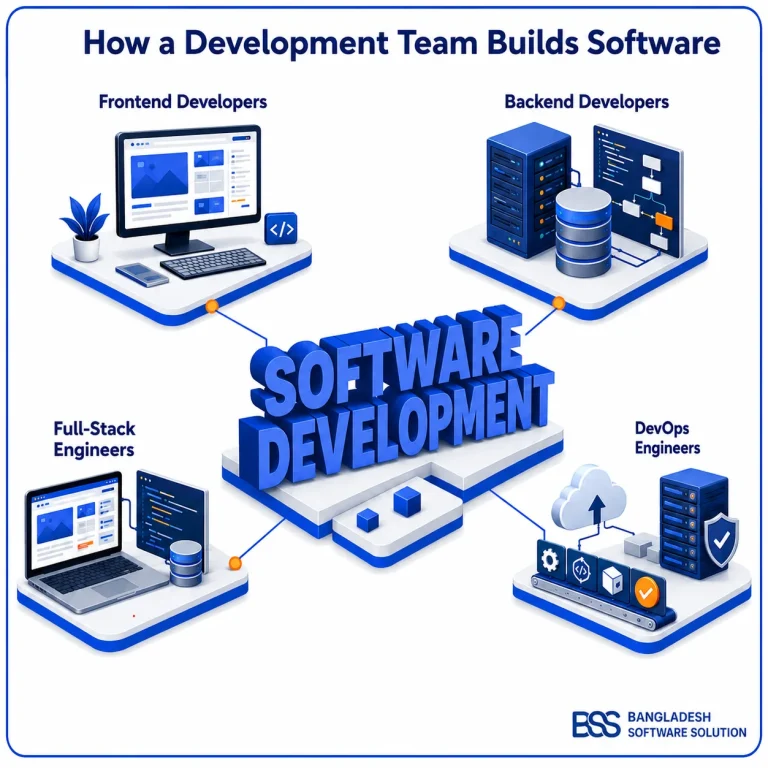
A dedicated development team typically includes:
- Frontend developers, building what users see and interact with
- Backend developers, building the logic and data layer behind it
- Full-stack engineers, connecting the two
- DevOps engineers, keeping infrastructure stable
APIs and third-party integrations — payment gateways, CRMs, analytics tools — are usually built and tested during this phase too. Working in short agile cycles, features are built, reviewed, and demonstrated regularly, so business stakeholders see real progress instead of a black box.
5. Testing: Making Software Reliable
A feature that has not been tested is not finished yet— it’s a guess. A disciplined software testing process includes functional testing to confirm that features work correctly, performance testing under realistic loads, security testing, and user acceptance testing, where stakeholders verify that the product meets its original goals.
WARNING
A bug discovered after launch doesn’t just cost engineering time to fix — it costs customer trust that’s much harder to earn back. Testing early and often is cheaper than testing never.
6. Deployment: Bringing Software to Users
The software deployment process moves a product from a controlled development environment into the real world. It includes preparing the production environment, configuring cloud infrastructure, migrating existing data safely, completing security checks, and confirming that the live system performs as expected.
A well-planned launch is quiet by design — users shouldn’t notice the switch happened, aside from suddenly having the product in front of them.
7. Maintenance: Improving Software After Launch
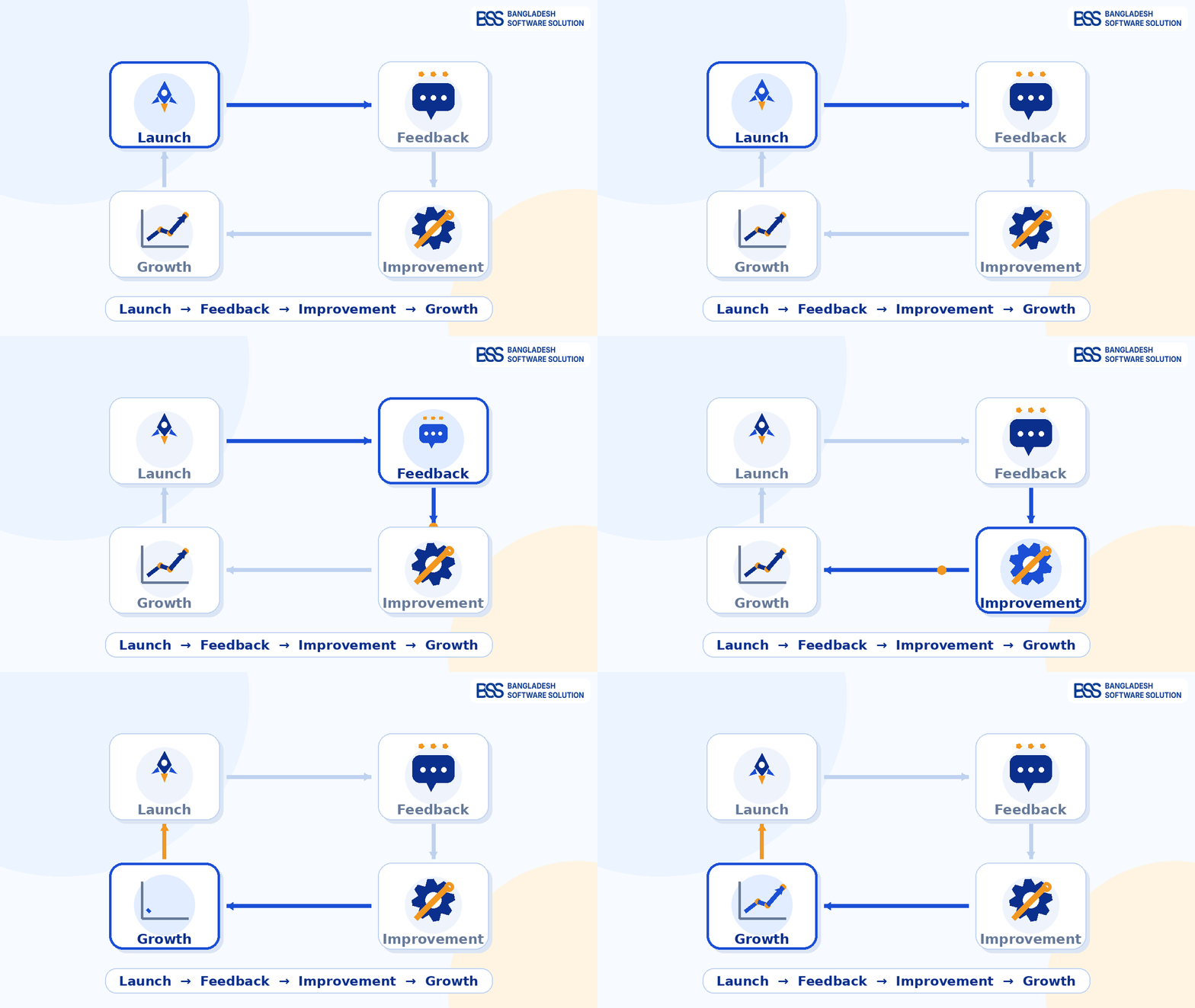
Launch is a milestone, not a finish line. Software maintenance covers bug fixes, security patches, performance tuning, and — over time — new features driven by real user feedback.
Products that keep improving after launch retain users. Products abandoned the day they ship rarely do.
8. Choosing the Right Software Development Partner
When comparing custom software development services, companies should look beyond technical skill on paper. A reliablesoftware development company or a dedicated development team, technical skill on paper matters less than how a team actually works. Look for:
- Technical expertise across the full stack, not just one layer
- Clear, regular communication — not just a report at the end
- Transparency about timelines, risk, and cost
- A defined QA process, not testing as an afterthought
- Willingness to support the product after launch, not just build and disappear
Table 2: Common Software Challenges vs. Structured Development Approach
| Common Challenge | How a Structured Development Process Helps |
|---|---|
Requirements change constantly mid-build | Discovery locks down documented goals before development starts, so changes are scoped, not chaotic |
Budget or timeline overruns | Milestone-based planning surfaces cost and schedule risk early, while it’s still cheap to adjust |
Software that technically works but confuses users | Dedicated UI/UX design and user journey mapping happen before development, not after |
Bugs discovered only after launch | Continuous testing — functional, performance, security, UAT — runs throughout, not just at the end |
Product quality declines after handover | A defined maintenance phase keeps security, performance, and features current post-launch |
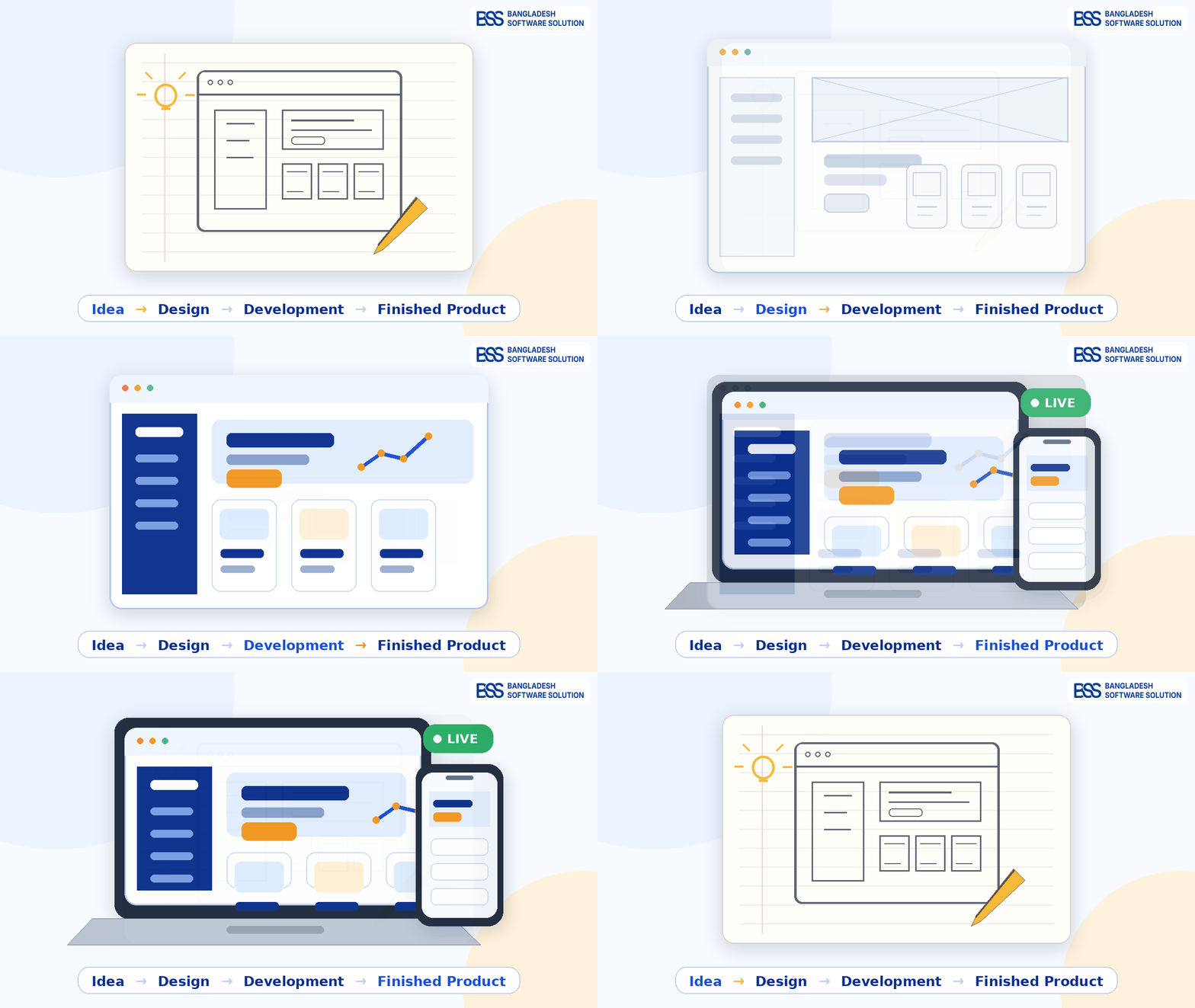
How Bangladesh Software Solution Helps Businesses Build Successful Software
Bangladesh Software Solution supports founders and companies throughout the custom software development process—from early discovery and architecture planning to development, testing, deployment, and long-term maintenance. Our dedicated development teams combine frontend, backend, DevOps, and QA expertise, with quality checks built into every sprint rather than added at the end.
Working with Bangladesh Software Solution means agile collaboration, transparent communication, and a development partner that remains involved after launch—when the product’s real life begins.
Frequently Asked Questions
What are the main stages of software development?
The main software development process steps are discovery, planning, design, development, testing, deployment, and maintenance. Each stage influences how reliable, scalable, and useful the final product will be.
How long does software development take?
It depends on scope, but most projects move through discovery and planning in a few weeks, then into development, testing, and launch over one to six months for a typical business application.
Why is requirement gathering important?
Because a clear, documented requirement is far cheaper to build correctly the first time than to redesign after development has already started.
How do software teams maintain quality?
Through a structured testing process — functional, performance, security, and user acceptance testing — run continuously, not just before launch.
What happens after a software product launches?
Ongoing maintenance: bug fixes, security updates, performance improvements, and new features guided by real usage data.
Conclusion
Successful software is never built by coding alone. It’s built by a process — discovery that asks the right questions, planning that sets a realistic roadmap, design that holds up at scale, development that’s reviewed in the open, testing that catches problems before users do, and a launch that’s followed by real support instead of silence.
If you’re weighing an idea against the process it will take to build it, Bangladesh Software Solution can help you map that journey — and build the product at the end of it.
Ready to start? Talk to Bangladesh Software Solution about your software idea today.