The Next Industrial Revolution: From Code to Creation with CAD/CAM in Bangladesh
Bangladesh has long been recognized as a global manufacturing hub, particularly in the Ready-Made Garments (RMG) sector. The rhythmic sound of sewing machines and the bustling energy of our factories have driven economic growth for decades. But now, the tides of change are rising. The demands of the Fourth Industrial Revolution (Industry 4.0) are knocking at our door, and to stay competitive, Bangladesh must evolve from being a labor-intensive hub into a center of innovation, automation, and digital capability. In this transformation, CAM/CAD in Bangladesh is becoming increasingly important, helping industries modernize their design, production, and manufacturing processes.
At the heart of this industrial transformation are two powerful technologies: CAD (Computer-Aided Design) and CAM (Computer-Aided Manufacturing). Together, these technologies are redefining the future of manufacturing in Bangladesh. But the impact of this transformation does not stop at our borders. As companies like Bangladesh Software Solution (BSS) strengthen capabilities in CAD/CAM automation, system integration, and industrial software development, they are also creating measurable value for international industries, including Australian manufacturing, where the demand for smart, efficient, and digitally connected production continues to grow.
What Is CAD/CAM? More Than Just Digital Blueprints
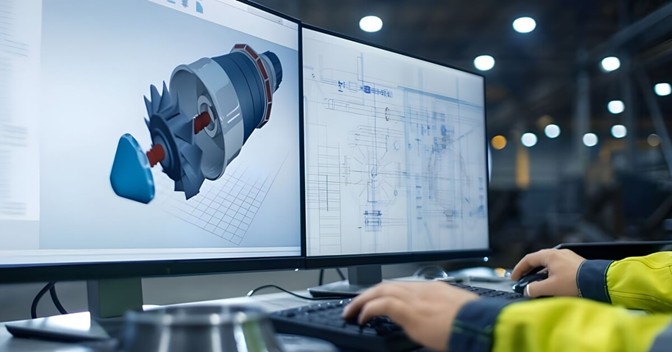
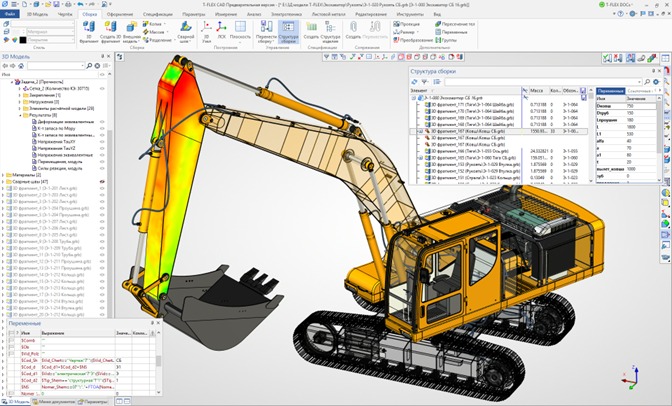
In the world of modern manufacturing, CAD (Computer-Aided Design) is where ideas take shape. It allows engineers and designers to create precise 2D and 3D models for everything from simple components to complex industrial products.
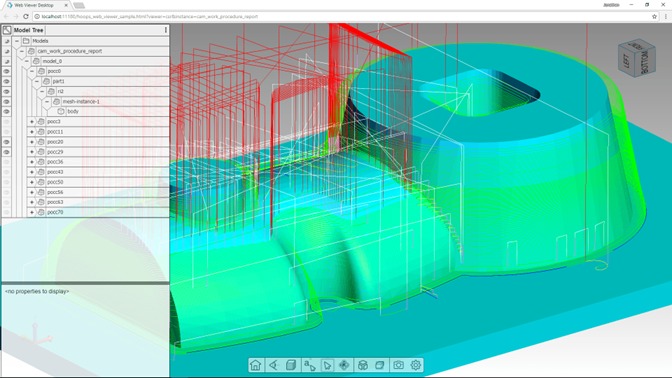
CAM (Computer-Aided Manufacturing), on the other hand, turns those digital designs into real-world production. Once a design is completed in CAD, CAM software generates the machine instructions needed for CNC machines, 3D printers, and automated production systems to manufacture the final product with speed and accuracy.
Together, CAD and CAM form the foundation of modern automated manufacturing. For companies like Bangladesh Software Solution (BSS), this creates an opportunity to deliver value through CAD/CAM automation, custom software development, and system integration. These capabilities are not only relevant for Bangladesh’s own industrial growth, but also for international markets such as Australian manufacturing, where businesses are increasingly adopting smart, connected, and software-driven production environments.
The Future of Manufacturing in Bangladesh: A CAD/CAM Perspective
The adoption of integrated CAD/CAM systems is not just an upgrade but a strategic necessity for Bangladeshi industries to stay competitive in the rapidly evolving global market. Here is how these technologies can shape the future of manufacturing in Bangladesh while also enabling Bangladesh Software Solution to deliver impact in Australian manufacturing.
Diversification Beyond RMG
While the Ready-Made Garment sector remains strong, Bangladesh has enormous potential in light engineering, electronics, automotive parts, furniture, and medical devices.
As Bangladesh Software Solution (BSS) works with CAD/CAM automation, custom development, and manufacturing-focused software, it builds domain expertise that extends beyond local industries. This expertise can be leveraged to support Australian manufacturers, especially in areas like:
- CAD/CAM workflow automation
- CNC and production system integration
- Custom engineering software development
This creates a bridge where Bangladesh’s software capability directly supports advanced manufacturing needs in Australia.
The Rise of the “Smart Factory”:
Incorporating CAD/CAM systems into Industry 4.0 creates the possibility for the rise of smart factories.
This is where Bangladesh Software Solution plays a critical role. Australian manufacturers moving toward smart factories require:
- system integration (ERP, MES, CAD/CAM)
- real-time dashboards
- automation pipelines
- machine-level data communication
BSS can deliver these through custom software, APIs, and cloud-based manufacturing solutions, enabling Australian factories to operate more efficiently and intelligently.
Mass Customization:
Mass production is no longer enough. The future lies in mass customization.
For Australian manufacturers, this means needing flexible systems that connect customer input → design → production.
Bangladesh Software Solution can support this by building:
- online product configurators
- CAD-integrated design systems
- backend production logic
- automation workflows
This allows Australian companies to deliver personalized products faster and with higher precision.
Rapid Prototyping and Innovation:
3D printing and CAM-driven prototyping are transforming how quickly products can be developed.
Bangladesh Software Solution can contribute to Australian innovation by developing:
- prototype management systems
- simulation tools
- version control for design
- collaborative engineering platforms
This helps Australian manufacturers reduce time-to-market and improve R&D efficiency.
The Role of Bangladesh Software Solution in CAD/CAM
At the intersection of software and manufacturing is the critical role of Bangladesh Software Solution (BSS).
Automation & Custom Development
BSS develops custom plugins, scripts, and automation tools for CAD/CAM systems using technologies like Python, C#, and C++.
👉 Impact on Australian manufacturing:
- reduced manual work
- faster design-to-production cycle
- improved accuracy
Integration Services
BSS integrates CAD/CAM with ERP, MES, PLM, and other enterprise systems.
👉 Impact on Australian manufacturing:
- seamless data flow
- better production planning
- improved operational efficiency
AI, Data & Predictive Systems
BSS builds AI/ML-driven solutions for manufacturing analytics.
- predictive maintenance
- defect detection
- performance optimization
Simulation & Digital Twin Support
BSS contributes to simulation, visualization, and digital twin development.
- risk reduction
- better production planning
- virtual testing before real production
This helps Australian manufacturers reduce time-to-market and improve R&D efficiency.
Forging a Path Forward: What Australia Needs to Do
For Manufacturing Companies:
Australian manufacturers need to invest not just in machinery but in the software talent that can maximize their ROI. It’s time to think beyond mechanical engineers and build in-house or partnered software teams focused on automation, robotics, and CAD/CAM integration.
For the Software Industry:
The manufacturing sector represents a vast, untapped market for custom software solutions, integration services, and high-tech consulting. The future is in industrial automation software development, and this is a unique opportunity for Bangladesh’s software industry to diversify beyond fintech and e-commerce.
For Academia:
It’s essential for universities to strengthen collaboration between computer science and mechanical engineering departments. Curricula should include courses in industrial automation, robotics, and CAD/CAM API programming to produce a skilled workforce ready to drive this transformation.
Conclusion: The Future Is Now
The next chapter in Bangladesh’s growth will not be written solely on fabric. It will be coded in software, designed in CAD, and executed through intelligent manufacturing systems.
As Bangladesh Software Solution (BSS) continues to build expertise in CAD/CAM automation, system integration, and industrial software, it is not only transforming local manufacturing but also becoming a technology partner for global industries.
Australian manufacturing, with its growing focus on smart production, automation, and digital transformation, stands to benefit significantly from this capability.