Informational

What Is Staff Augmentation? Complete Guide for Hiring Remote Developers in 2026

what is staff augmentation guide 2026
Business development manager - Bangladesh Software Solution
Share:

Introduction

Finding skilled developers is getting harder every year. Job posts sit open for months. Salaries keep climbing. And by the time you finally hire someone, a competitor may have already shipped the feature you were planning.

This is the reality for many CEOs, CTOs, and product managers today. Local talent pools are shrinking, recruitment cycles are slow, and hiring mistakes are expensive to fix.

Staff augmentation offers a practical way out. Instead of spending months building an in-house team from scratch, you add experienced developers to your existing team quickly, flexibly, and without the overhead of full-time hiring.

This guide explains what staff augmentation is, how it works, what it costs, and how it compares to outsourcing and dedicated teams, so you can decide if it fits your business.

What Is Staff Augmentation?

Staff augmentation is a hiring model where you add external developers to your existing in-house team, on a temporary or long-term basis, to fill specific skill gaps.

You keep full control of the project. You keep your existing processes and tools. You simply extend your team’s capacity with specialists you don’t currently have, without going through a lengthy hiring process.

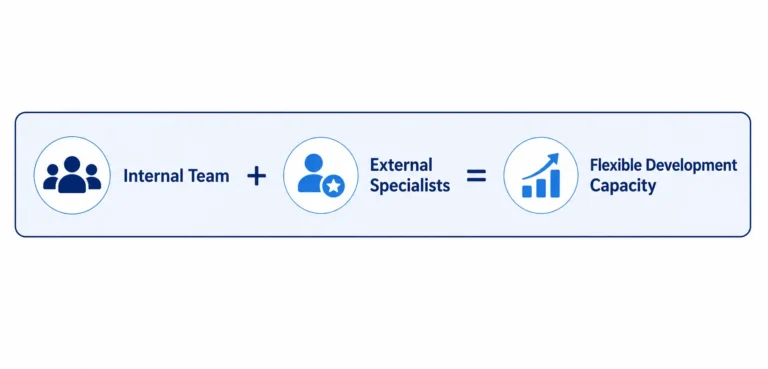
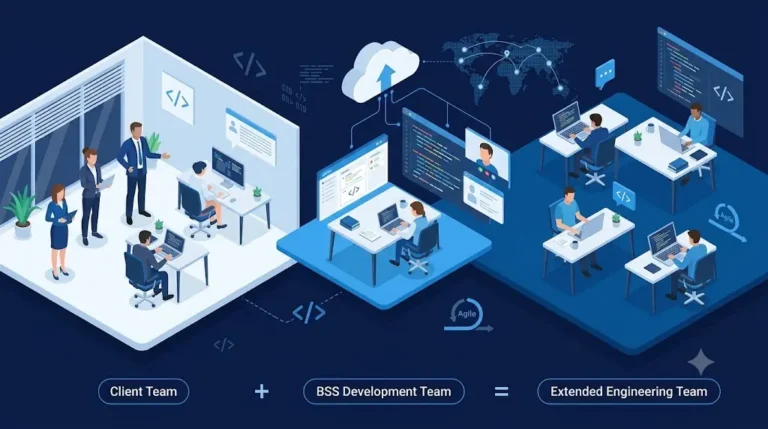
A simple way to think about it:

For example, if your team is strong in backend development but lacks a skilled front-end developer for a client project, staff augmentation lets you bring in that one specialist and keep moving, without hiring a full-time employee.

How Does Staff Augmentation Work?

The process is straightforward. Most companies follow five steps:

  1. Identify skill gaps. Decide which roles or technologies your current team is missing.
  2. Select the right technology partner. Choose a provider with proven experience in the technologies you need.
  3. Evaluate developers. Review CVs, run interviews, and test technical skills.
  4. Add developers to your existing team. Onboard them into your workflows and communication channels.
  5. Manage collaboration and delivery. Assign tasks and track progress the same way you would with in-house staff.

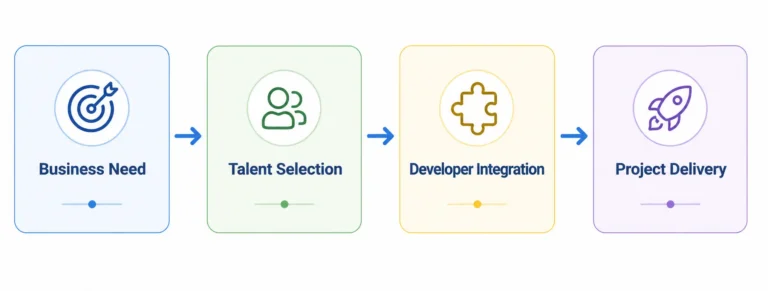
In simple terms, the flow looks like this:

The staff augmentation workflow, from identifying a business need to project delivery.
Figure 1: The staff augmentation workflow, from identifying a business need to project delivery.

This model works because you are not outsourcing the entire project. You are only adding the specific skills you need, while staying in control of how the work gets done.

Types of Staff Augmentation Models

Four models are common:

  • Short-term augmentation. For urgent projects or temporary skill gaps, usually a few weeks to a few months.
  • Long-term augmentation. For ongoing needs, where you need specialists for six months or longer.
  • Skill-based augmentation. For one specific skill set. A Netherlands ecommerce company, for example, might bring in a .NET specialist for a checkout system rebuild.
  • Dedicated remote developers. The same developers work exclusively with your team over an extended period, much like in-house employees.

Choosing the right model depends on your project timeline, budget, and how long you need the extra capacity.

How Much Does Staff Augmentation Cost in 2026?

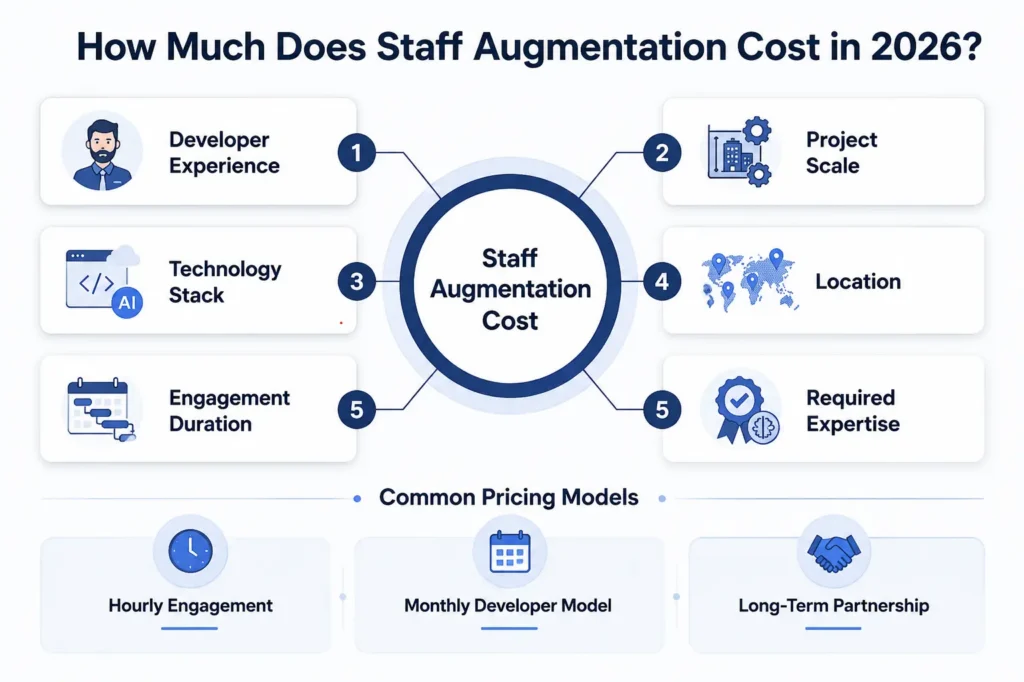
Staff augmentation costs vary widely, so there is no single industry-wide rate. Instead, cost depends on several factors:

  • Developer experience. Senior and specialized engineers cost more than junior developers.
  • Project scale: Larger, more complex projects demand more resources, typically costing more than simpler ones.
  • Technology stack. In-demand skills, such as AI integration or cloud architecture, typically cost more than general-purpose development.
  • Location. Rates differ significantly between regions and talent markets.
  • Engagement duration. Longer commitments often come with better rates than short, ad-hoc work.
  • Required expertise. Deep domain knowledge, such as fintech compliance or healthcare systems, adds to cost.

Most providers price staff augmentation in one of three ways:

  • Hourly engagement — best for short, well-defined tasks.
  • Monthly developer model — a fixed monthly rate per developer, common for ongoing work.
  • Long-term partnership model — rates negotiated for extended, multi-developer engagements.
Cost of staff augmentation
Figure 2: What drives the cost of staff augmentation.

Rather than comparing headline rates alone, ask providers for a breakdown of what’s included, such as project management and communication overhead, so you can compare offers on equal terms.

Benefits of Staff Augmentation

Companies choose staff augmentation for several practical reasons:

  • Faster hiring. Add developers in days or weeks, not months.
  • Access to global talent. Hire specialists regardless of your local job market.
  • Reduced recruitment effort. Skip job postings, screening, and lengthy interview cycles.
  • Flexible scaling. Scale your team up or down as project needs change.
  • Access to specialized skills. Bring in expertise your current team lacks, without a permanent hire.
  • Better control than outsourcing. You manage the work directly, instead of handing the whole project to a third party.

Staff Augmentation vs Outsourcing

Staff augmentation and outsourcing are often confused, but they work differently. Outsourcing hands over an entire project to a vendor. Staff augmentation adds people to your own team, so you keep the reins.

Staff Augmentation Outsourcing

Team control

You manage day-to-day work directly

Vendor manages the team and delivery

Communication

Direct communication with developers

Usually filtered through project managers

Project ownership

Stays with your company

Shifts largely to the vendor

Flexibility

High — scale the team up or down anytime

Lower — scope is usually fixed upfront

Best use case

Filling skill gaps in an existing team

Handing off a well-defined, standalone project

The right choice depends on how much control you want to keep. If you need to stay closely involved in decisions, staff augmentation usually fits better. If you want to hand off a well-defined project entirely, outsourcing may work better.

Staff Augmentation vs Dedicated Development Team

Both staff augmentation and dedicated development teams help businesses access external engineering talent, but they are designed for different needs. The right choice depends on your existing team structure and project requirements.

Staff Augmentation Dedicated Development Team

Best suited when you already have an internal team and need to fill specific skill gaps.

Best suited when you don’t have an internal engineering team or need a complete team for a large, long-term product.

Example: A SaaS company needs two extra React engineers for a busy sprint.

Example: A company needs a full team of developers, QA engineers, and a project manager working as a self-contained unit.

Your internal team keeps control over project priorities, workflows, and daily tasks.

The dedicated team works as a complete unit responsible for building and managing the product.

A simple rule of thumb: if you’re missing a few pieces of a team you already have, augment it. If you need the whole team, go dedicated.

What Contracts Are Used in Staff Augmentation?

Bangladesh Software Solution is a registered software company that provides dedicated offshore developers for businesses that need more than a freelancer can offer. Instead of piecing togethe

A clear contract protects both sides. Most staff augmentation engagements include:

  • Staff augmentation agreement. Defines scope, roles, rates, and duration of the engagement.
  • NDA. Protects confidential business information shared during the project.
  • Intellectual property ownership. States clearly that your company owns all code and deliverables produced.
  • Payment terms. Defines billing cycle, currency, and invoicing process.
  • Service expectations. Sets response times, working hours, and escalation paths.

Before signing, confirm that IP ownership and confidentiality terms are unambiguous. These two clauses matter most when working with an offshore team.

r individual contractors, clients get a managed offshore team built around their project, with a project manager, quality checks, and steady communication from day one.

Whether you need a single dedicated developer or a full offshore development team to run a product long-term, Bangladesh Software Solution offers the structure, accountability, and continuity that growing businesses need, at a cost that is still far more efficient than building an in-house team from scratch.

Is Offshore Staff Augmentation Secure?

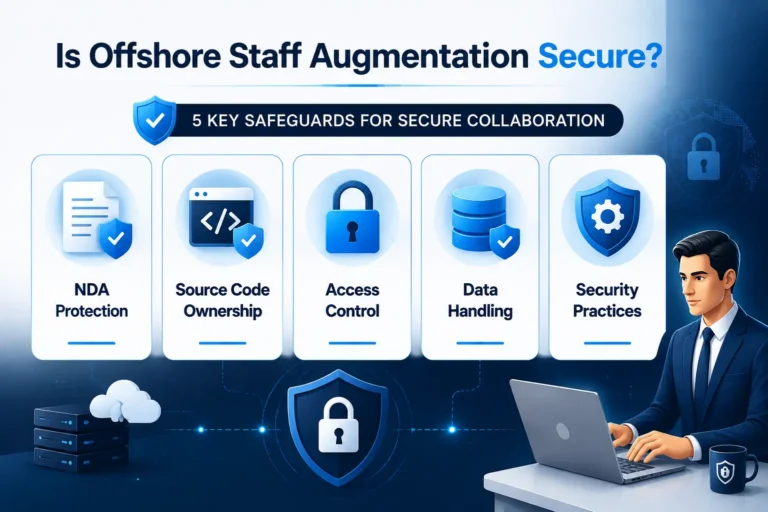
Figure 3: Is Offshore Staff Augmentation Secure.

Offshore staff augmentation can be secure, provided the right safeguards are in place before work begins:

  • NDA protection. A signed NDA legally protects your business information and trade secrets.
  • Source code ownership. Your contract should confirm that all code belongs to your company, not the provider.
  • Access control. Give developers access only to the systems and repositories they need, and remove access when the engagement ends.
  • Data handling. Agree on how customer and business data is stored, shared, and deleted.
  • Security practices. Ask providers about their internal security policies, device management, and track record.

To reduce risk further, use role-based access permissions, require two-factor authentication on shared systems, and review access logs periodically. A reputable provider will expect and support these measures.

Common Challenges of Staff Augmentation

A few challenges come up often, and each has a practical fix:

  • Communication gaps. Set up regular check-ins and use shared tools like Slack or Jira from day one.
  • Time-zone differences. Agree on a few overlapping working hours for real-time collaboration.
  • Maintaining quality. Set coding standards and include augmented developers in the same code reviews as your in-house team.
  • Team integration. Include augmented developers in stand-ups, planning sessions, and team channels from day one.

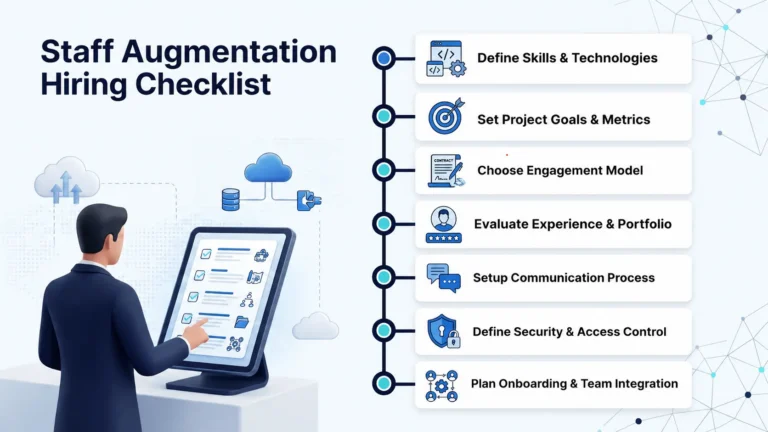
Staff Augmentation Hiring Checklist

Use this checklist before starting an engagement:

✓  Define the required skills and technologies

✓  Identify clear project goals and success metrics

✓  Select the right engagement model for your timeline

✓  Evaluate developer experience and past work

✓  Establish a communication process and tools

✓  Discuss security requirements and access control

✓  Plan onboarding and integration with your team

staff augmentation checklist.
Figure 4: A quick-reference checklist for starting a staff augmentation engagement.

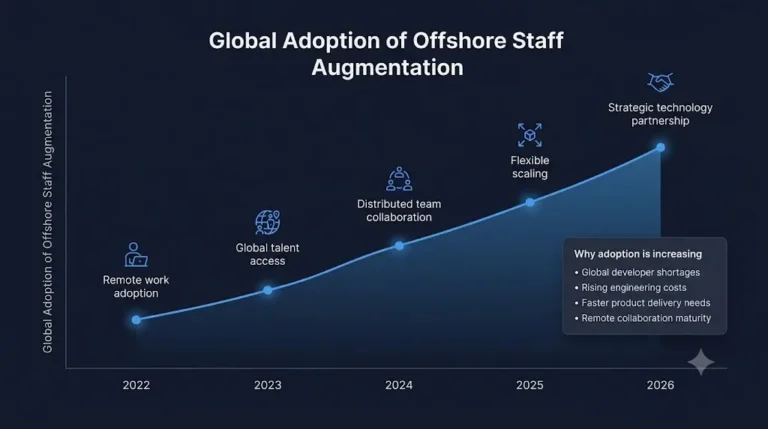
Why Choose Offshore Staff Augmentation in 2026

The global shortage of experienced developers has made local hiring slower and more competitive, especially for specialized skills like AI integration and cloud architecture. A manufacturing company needing a CAD automation specialist, for example, may find far more qualified candidates by looking offshore than by hiring locally.

Businesses also face growing pressure to ship products faster, and waiting months to fill a single role is no longer realistic in competitive markets. At the same time, remote collaboration has become standard practice, so working with an offshore developer feels no different than working with a remote colleague across the country.

Rising adoption of offshore staff augmentaion
Figure 5: Rising adoption of offshore staff augmentation among global companies.

How BSS Helps Companies Build Offshore Development Teams

Bangladesh Software Solution has been working with companies in the Netherlands, the US, and across Europe to fill exactly these kinds of skill gaps.

Our developers work as an extension of your existing team, not a separate outsourced unit. Your project managers keep control of priorities and decisions, while our engineers handle the hands-on development work, backed by technical expertise across modern web, mobile, and enterprise stacks.

We have supported international businesses across ecommerce, AI & machine learning, and CAD/CAM automation with flexible engagement options, from a single specialist on a short project to a long-term collaboration that grows with your needs. Our developers integrate into your existing tools from the first week, with clear communication throughout.

If you’re evaluating whether staff augmentation fits your business, our team can walk you through your options and help you decide what makes sense for your project.

Frequently Asked Questions

What is staff augmentation?

Staff augmentation is a hiring model where a company adds external developers to its existing in-house team to fill specific skill gaps, without hiring full-time employees.

A company identifies its skill gaps, partners with a provider, evaluates candidate developers, and integrates the selected developers into its existing team and workflows.

Cost depends on developer experience, technology stack, location, and engagement length. Providers typically price by the hour, by the month per developer, or through a long-term partnership rate.

Outsourcing hands an entire project to an external vendor. Staff augmentation adds individual developers to your own team, so you keep control of the work.

Choose a dedicated team when you need a full engineering team for a large, long-term product, rather than a few extra specialists for an existing team.

Your company should own all code and deliverables. This should be stated explicitly in the staff augmentation agreement before work begins.

Cost depends on developer experience, technology stack, location, and engagement length. Providers typically price by the hour, by the month per developer, or through a long-term partnership rate.

Cost depends on developer experience, technology stack, location, and engagement length. Providers typically price by the hour, by the month per developer, or through a long-term partnership rate.